
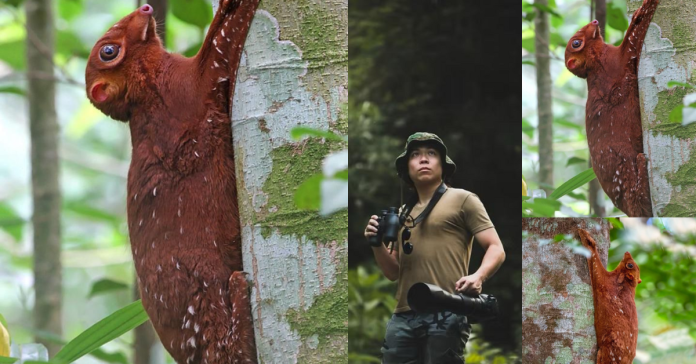
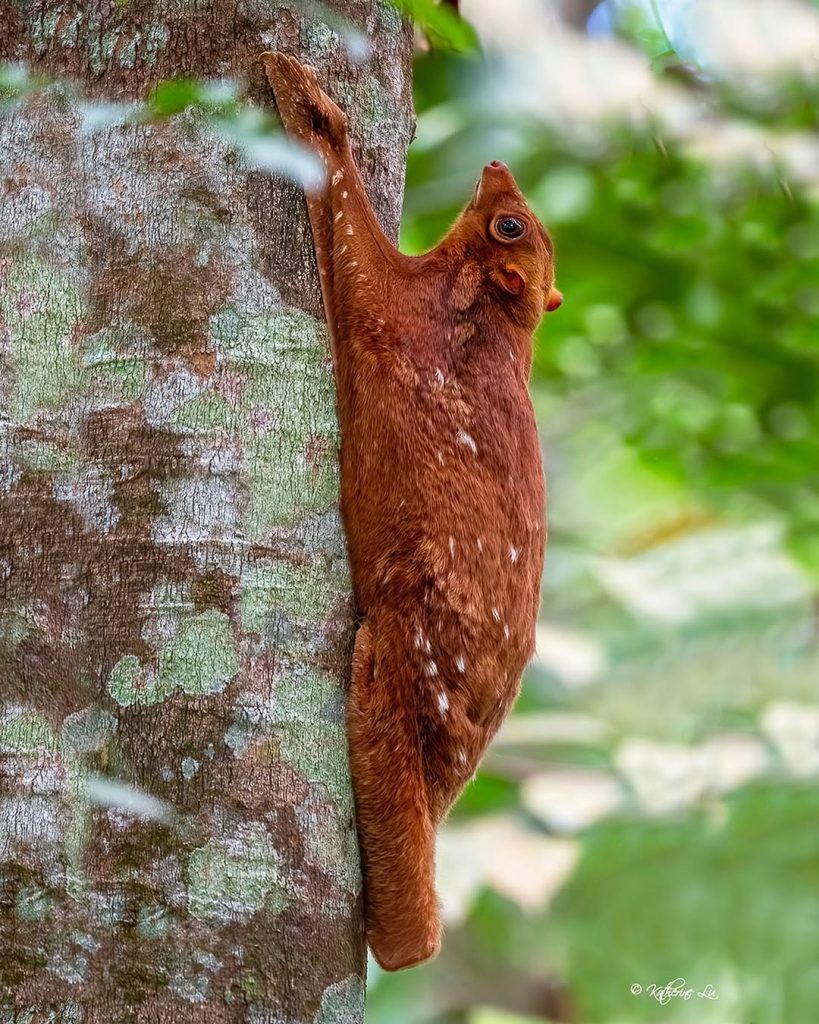
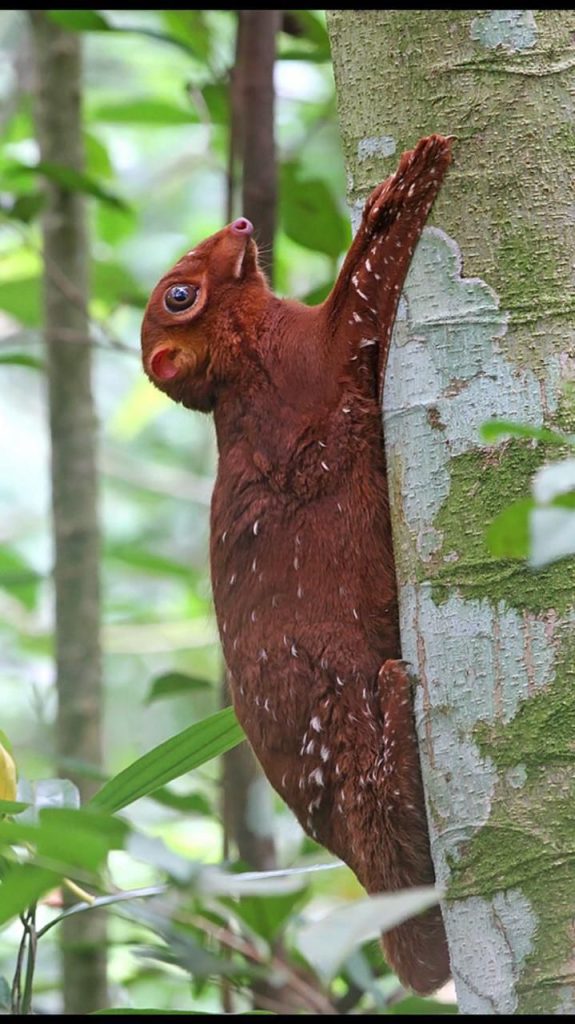
Deep in the rainforests of Southeast Asia, a mysterious animal lives that most people have never even heard of. It’s so rare and hard to spot that even locals may go their whole lives without ever seeing one. But recently, a photo of this strange creature clinging to a tree went viral online and it left everyone asking the same thing
This powerful image was captured by Terence Tan, a dedicated wildlife photographer from Singapore, who specialises in documenting rare and often overlooked species. His work serves as vital visual evidence of the incredible biodiversity still found in Southeast Asia’s forests and underscores the urgent need to protect these fragile ecosystems. By bringing global attention to elusive creatures like the Colugo, Terence’s photography becomes more than art it’s a call to action for conservation and awareness.
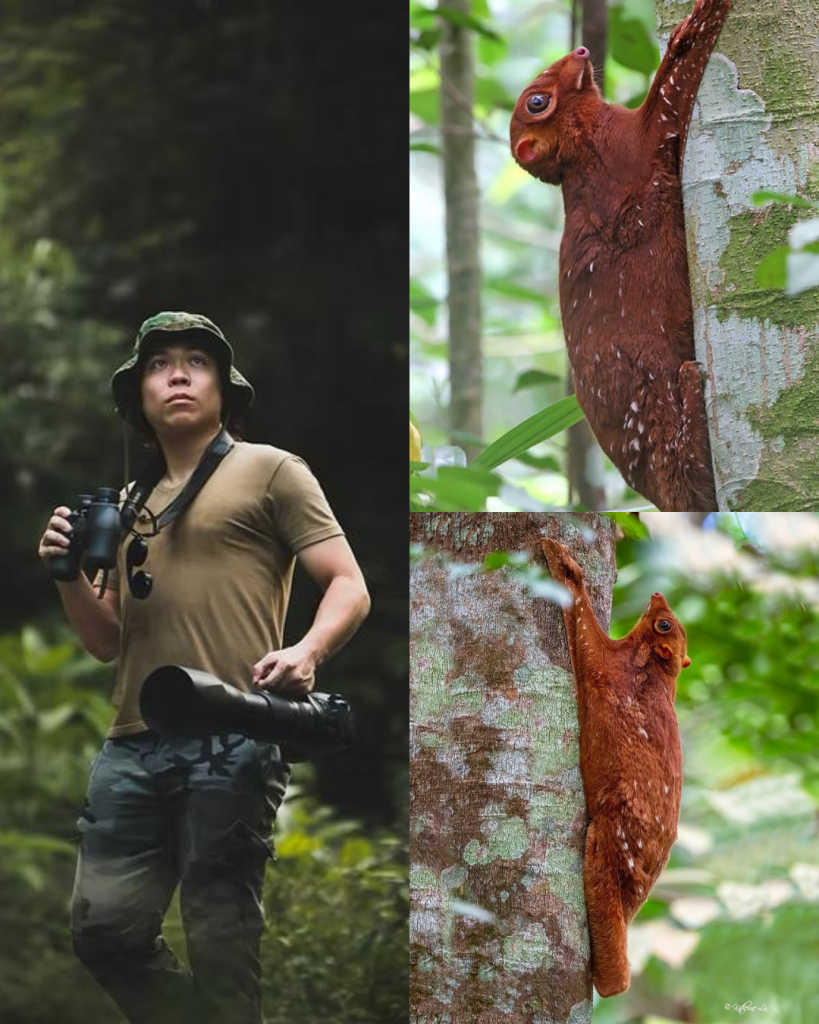
“What kind of animal is that?”
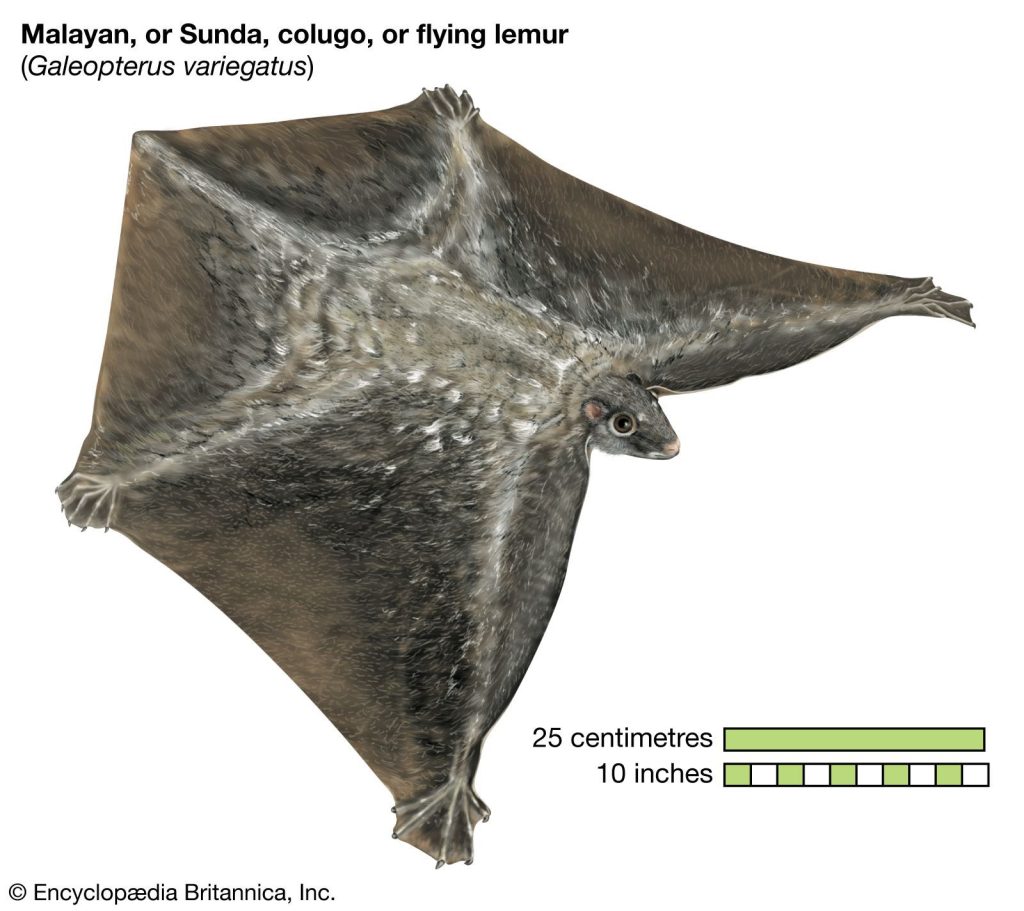
The Colugo is a small, tree-dwelling animal that is primarily active at night. It’s often nicknamed the “flying lemur,” but that’s a misleading term. It isn’t related to lemurs at all. In fact, Colugos belong to their own special group of mammals called Dermoptera, and only two species are alive today: the Sunda Colugo and the Philippine Colugo.
What makes them truly fascinating is their ability to glide. Using a wide flap of skin called a patagium — which stretches from their neck to their hands, feet, and tail — Colugos can glide silently through the forest canopy for distances of over 100 feet without ever flapping a wing.
The Secret Forest Homes of the Colugo
Colugos are found in the tropical rainforests of Malaysia, Thailand, Indonesia, Singapore, and the Philippines. They live high in the treetops and are rarely seen on the ground.
These animals are experts at camouflage. Their fur blends perfectly with the tree bark, and they stay completely still and silent — which makes them incredibly hard to find, even in areas where they’re known to live. That’s why most people have never seen or even heard of them.
What Do Baby Colugos Eat?
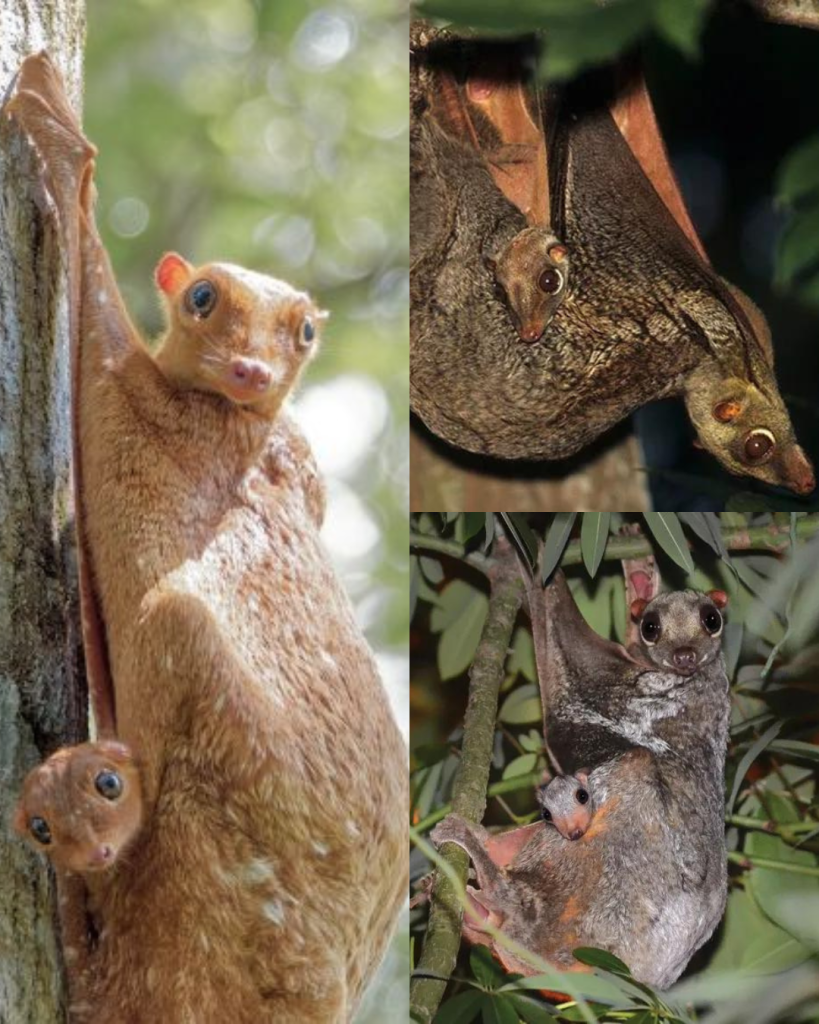
Like all mammals, baby Colugos feed on their mother’s milk after birth. They are born very small and underdeveloped, so they cling tightly to their mother’s belly, tucked safely inside her gliding membrane. This soft pouch keeps them warm and protected as they grow.
As they get older, they begin to eat soft plant foods like leaves, fruit, flowers, and tree sap — just like adult Colugos. These natural foods are easy to digest and help the young Colugos learn how to live and move in the treetops gradually.
This Weird Creature Is Actually Related to People
Here’s the surprising part — scientists say that Colugos are actually closely related to primates, the group that includes monkeys, apes, and humans. This makes them a fascinating animal for researchers who study evolution and the history of mammals.
But don’t expect monkey-like behaviour. Colugos are quiet, shy, and solitary. They spend most of their time alone, gliding between trees and eating soft plants in peaceful silence.

Why This Viral Photo Matters?
The viral image showing a red-brown Colugo gripping a tree trunk is more than just an extraordinary wildlife moment it’s a powerful reminder of the hidden wonders still living in our forests.
In a world full of selfies, pet videos, and flashy animals, it’s easy to forget that Earth is home to creatures we barely know exist and some of them are gliding silently just overhead.
The Forest Is Their Home Let’s Keep It That Way
Sadly, Colugos are now facing growing danger due to deforestation and habitat loss. As more forests are cut down, the quiet and secret lives of animals like the Colugo are being pushed closer to extinction.
Suppose we don’t act to protect their forest homes. In that case, these rare gliders might disappear forever — without most people even knowing they were ever here.

